

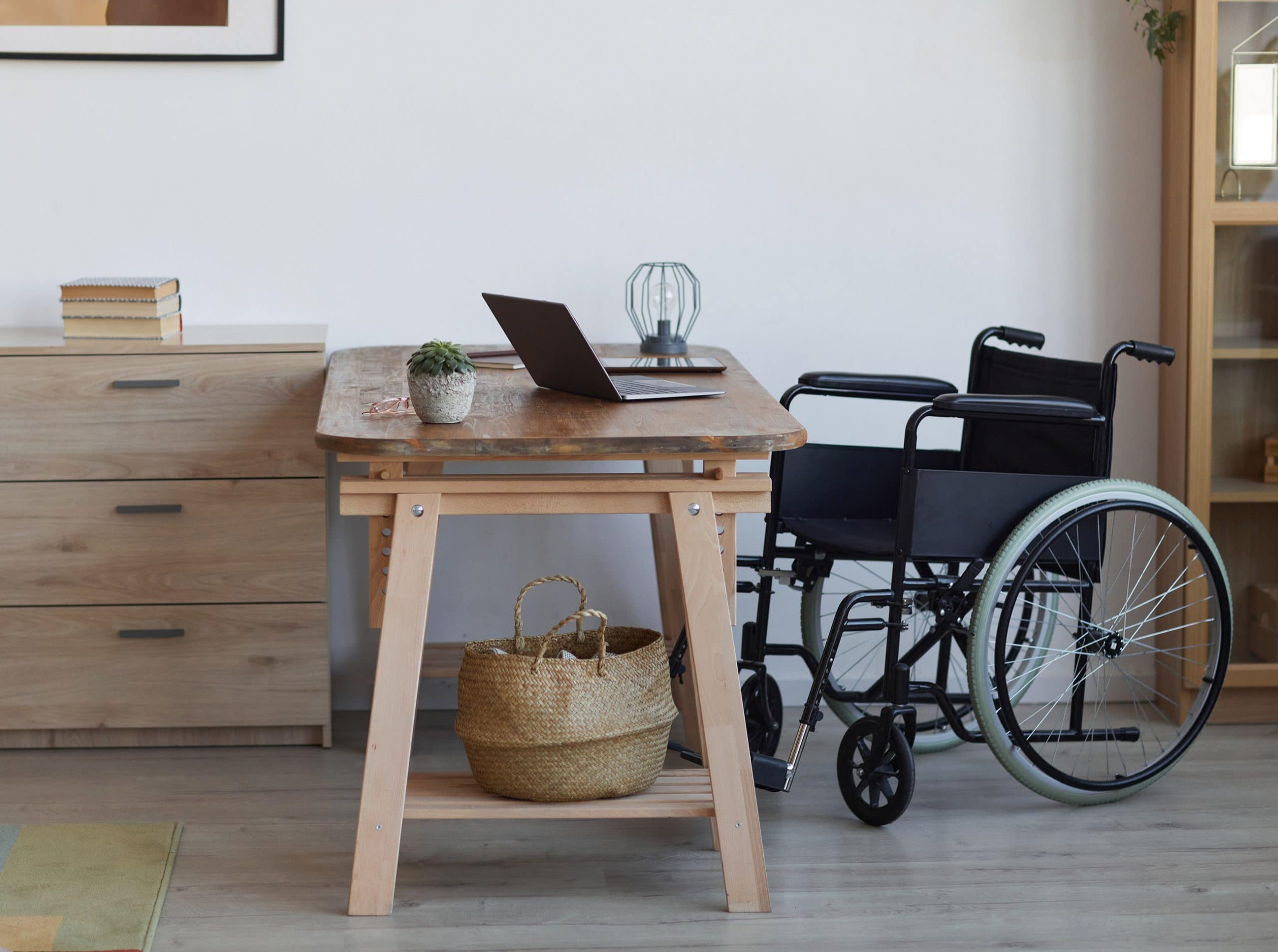
Every brain records information differently. Mine relies on tangible input: If I can see something, I might remember it, but if I can touch something and perform a task myself, I am much more likely to remember instructions and replicate the task.
As a college professor, I have seen similar dynamics in my classrooms. A minority of students comprehend material very well just by completing assigned readings, but most need more than words on a page.
This is truer than ever as technology pumps increasing volumes of information into our consciousness at nearly instantaneous speeds. To work around this and other challenges, learners need options and I customarily present as many—into every lecture—that I can muster.
“Having an accessible website improves your SEO, and makes you more findable,” kaleidaweb founder and lead designer Dani Shaw said. “You want your site to be visited, accessed, and usable.”

In my classrooms—from first-year English and undergraduate research writing to media studies, creative writing, various literatures, and graduate-level primary research—my students can count on being presented with images and graphics to engage visual learners, recorded lecturers to support auditory learners, and videos or presentations combining words, images, and narration to cover myriad bases.
These tools have become requirements to guide able-bodied, able-minded undergraduates toward a chance at passing any given course. So what about eager learners with disabilities of body or mind? What opportunity do they have—whether in a college course or a life that now necessitates spending loads of time online—at success? For two blind students at West Virginia University (WVU), a lack of accommodations set them up to fail—literally.
Graduate students Harold Rogers and Miranda Lacy, along with the National Federation of the Blind, filed a lawsuit claiming that WVU fell well short of providing equal access to education, NPR reported this month. Rogers and Lacy said the lawsuit was a last resort after complaints didn’t improve their educational lives.
Their legal action seeks to make accessibility of digital materials a requirement, not the whim of an individual department or professor. They also seek recompense for time wasted trying to access required materials, delays which would cause stress to any student, jeopardize their ability to complete coursework on time, and put them at risk of failing classes.
“It was really a crisis and had become one of the disability community’s top priorities to have a rule issued that set standards for digital accessibility,” Jennifer Mathis, who helped draft updated language specific to digital accessibility in the Americans with Disabilities Act (ADA), said.
The updated ADA regulations coming into effect on April 24, 2026, for larger institutions (and April 27 for smaller ones) “will require public institutions to meet new standards that dictate what accessibility should look like,” Jonaki Mehta reported for NPR.
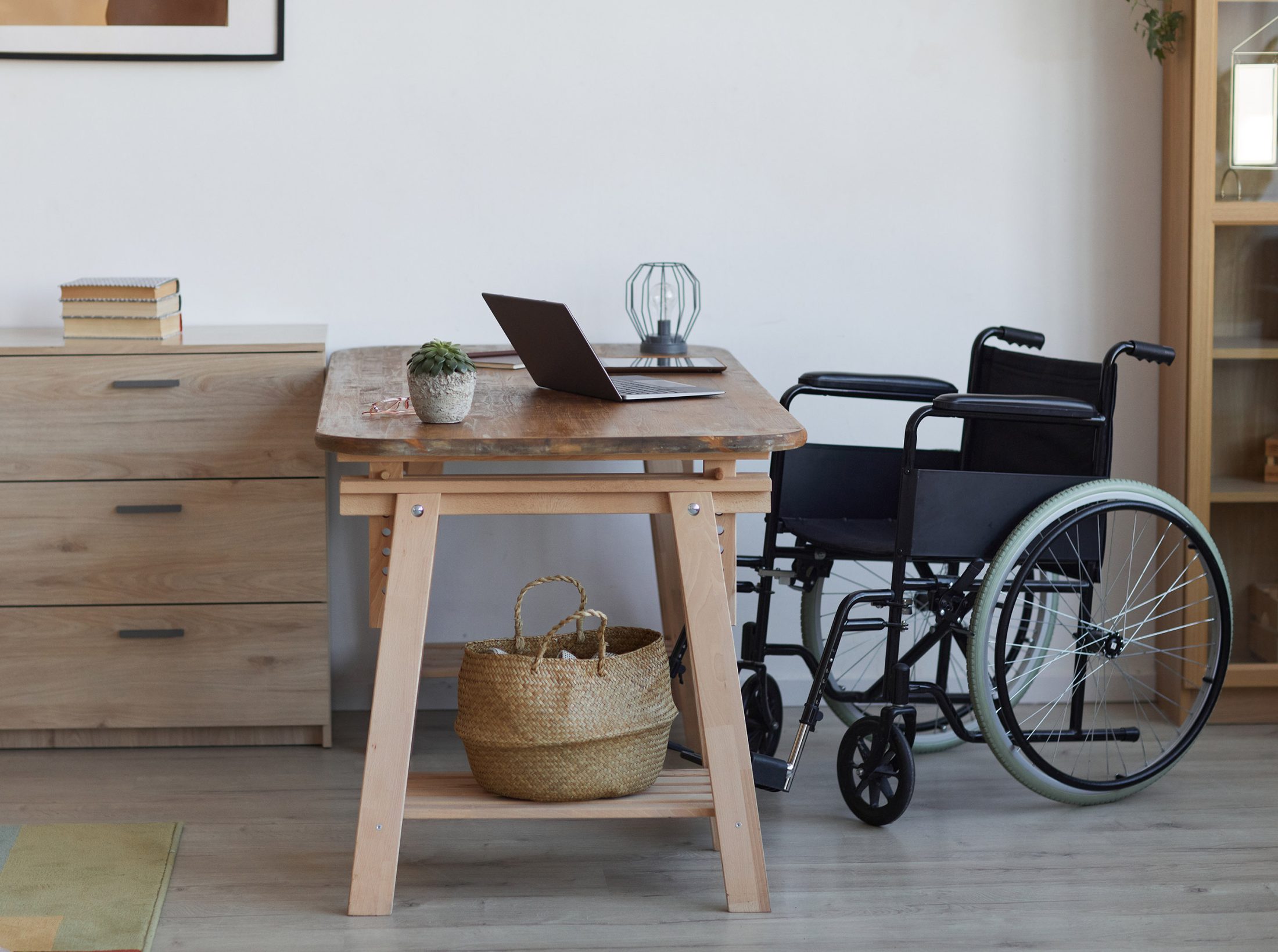
“Just as stairs can exclude people who use wheelchairs from accessing government buildings, inaccessible web content and mobile apps can exclude people with a range of disabilities,” the revised rule states.
Despite having two years to prepare, public institutions including colleges and universities still face challenges to reach full compliance. Conquering these hurdles can be achieved with the help of new and emerging technologies, the talents of committed and knowledgeable web developers and designers, and shifting our collective cultural consciousness toward inclusion.
At kaleidaweb, these considerations aren’t an afterthought; they’re top-of-mind priorities.
At every stage of the design process, we present options and suggestions for making a website as accessible as possible—from font type and text layout to color scheme, lightboxes, and alt text for images. Luckily, most accessibility tools do not compromise design or operation and clients have the final say over whether to integrate them into their websites.
If making the world less frustrating and challenging for others isn’t impetus enough to embrace accessibility, think about the bottom line.
“Having an accessible website improves your SEO, and makes you more findable,” kaleidaweb founder and lead designer Dani Shaw said. “You want your site to be visited, accessed, and usable.”
We hope our clients and blog readers are motivated to create digital content that not only looks great and functions optimally—but employs tools which invite all users into a positive internet experience.
FOR DEEPER ENGAGEMENT:
- How the digital world is becoming more accessible (NPR) 8-minute listen
- Why our attention spans are shrinking, with Gloria Mark PhD (Speaking of Psychology podcast, American Psychological Association) 37-minute listen
- Nondiscrimination on the Basis of Disability; Accessibility of Web Information and Services of State and Local Government Entities (U.S. Department of Justice)
In “Building an Accessible Web—Part 2,” we’ll explore ways to make website text and text formatting more readable and engaging.
Let's work together on your project!
Accessibility fosters a more just world, and it also happens to be great for business.